
How does cotton perform?
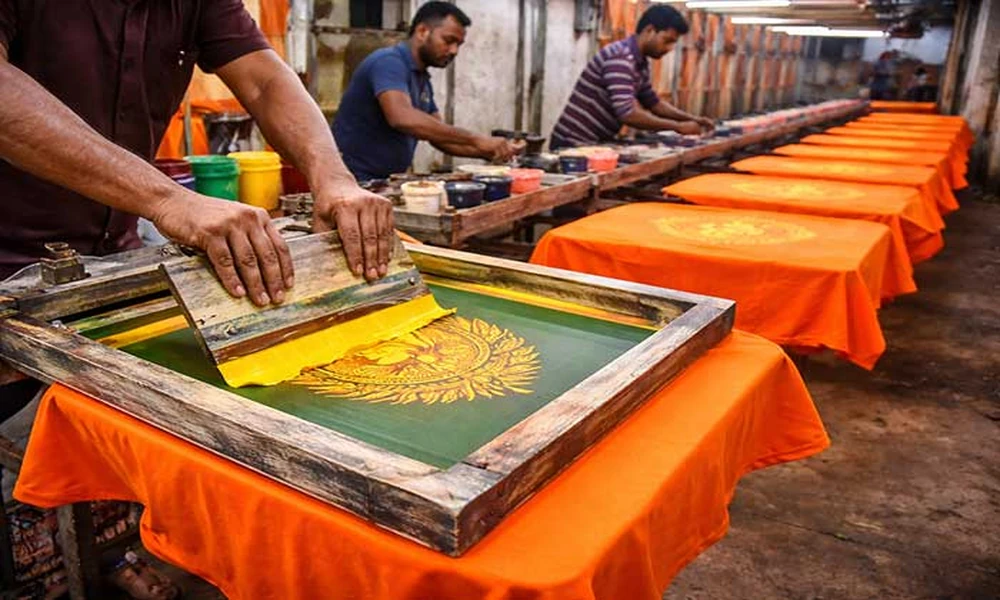
Cotton absorbs ink deeply into its fibres, which makes it the most forgiving base for nearly every print method used today. A water-based ink soaks in cleanly, plastisol grips firmly, and colors stay predictable across production runs. Anyone reviewing tshirt printing samples side by side notices cotton’s advantage within seconds; fine lines hold their edges instead of feathering outward.
- Combed cotton keeps detail sharper than standard weaves.
- Heavier stock near 200 grams resists squeegee distortion.
- Pre-shrunk fabric protects artwork from wash tightening.
- Ring-spun texture lets large prints flex naturally.
Weight deserves real attention among these points. Flimsy cloth shifts under pressure mid stroke, pulling artwork slightly out of line before the ink even cures. Shrinkage causes similar quiet damage; untreated cotton tightening after early washes drags printed zones out of shape. Fabric choice here decides half the final result before any machine starts running.
Why choose polyester blends?
Polyester suits sublimation perfectly because dye bonds directly into the synthetic fibre under heat, producing artwork that cannot crack or peel since nothing sits above the surface. Sportswear leans this direction almost entirely for that single reason.
Blended fabric splits the difference. Cotton polyester mixes accept plastisol reasonably well while keeping some moisture control, though dye migration becomes the hidden problem. Heat during curing can pull garment dye upward into ink layers, turning white prints pinkish across red shirts. Low cure inks and blocker bases solve this when applied correctly. Tri-blend fabrics behave differently again, their soft drape suits fashion pieces, yet their uneven surface gives prints a faded, vintage look; some artwork suits, and some do not.
Handling tricky fabrics
Certain materials punish careless production quickly. Nylon repels standard ink completely unless bonding agents get mixed in beforehand, while waterproof coatings block adhesion so thoroughly that primers become unavoidable. Fleece brings its own trap; thick pile holds heat during curing, so gentler, longer cycles prevent scorching.
Stretch content complicates everything further. Elastane blends move constantly during wear, meaning rigid ink layers crack along stress lines unless stretch additives soften the cured film. Ribbed fabric behaves similarly, expanding and contracting with every wear cycle. Textured weaves add one final challenge: raised surfaces catch ink unevenly, leaving small gaps across solid areas that only extra passes can fill. Each difficult material rewards preparation and punishes assumptions, which separates careful production from rushed work faster than any equipment upgrade could.
Testing before production
Sample runs answer questions that no specification sheet can. A test piece shows how a fabric takes ink, holds colour, and survives washing before hundreds of garments follow the same path.
- Wash checks – Two full cycles reveal fading, cracking, or edge loss early.
- Stretch checks – Pulling printed zones by hand exposes weak adhesion instantly.
- Record keeping – Notes against each fabric type guide faster decisions on later orders.
Teams keeping such records repeat successful pairings quickly instead of rediscovering identical lessons every season.
Fabric decides print outcomes as much as any machine or ink ever will. Cotton rewards nearly everything, polyester rewards sublimation, blends demand care, and difficult materials demand preparation. Matching each garment against its best method, then testing before committing, keeps finished work consistent from first piece to last.