
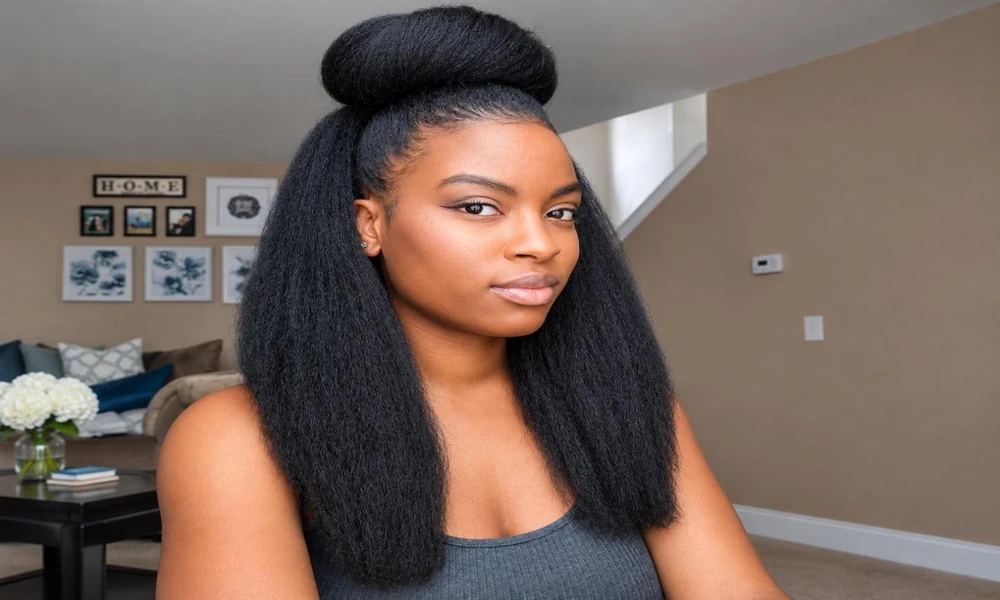
There is something satisfying about switching up your hairstyle without spending hours at the salon or making a long-term commitment. For women with natural hair, kinky straight clip-ins offer an easy way to enjoy extra length, fuller styles, and that beautiful blowout-inspired finish while still embracing their natural texture. But convenience comes with a few responsibilities. If you have ever worried about thinning edges, breakage, or how much heat your hair can handle, those concerns are worth taking seriously. Even temporary extensions can cause damage when they are too heavy, installed incorrectly, or worn without giving your strands proper attention. Fortunately, a few thoughtful changes to your styling routine can make a difference. From selecting the right extensions to creating comfortable everyday hairstyles, this guide covers practical ways to enjoy the look while keeping your natural hair’s health a priority.
Why Choosing the Right Kinky Straight Clip Ins Matters
Textured natural hair has its own personality, whether your strands form loose curls, tight coils, or something in between. Finding theBest Kinky Straight Hair Clip Ins means looking beyond length and fullness to consider how well the extensions complement your hair’s texture, density, and everyday styling needs. Their blown-out appearance often blends beautifully with stretched 3C, 4A, 4B, and 4C textures, making it possible to achieve a fuller hairstyle without repeatedly straightening your own hair.
Unlike silky straight extensions, which tend to have a smoother, sleeker finish, kinky straight hair has more body and a slightly textured appearance. Yaki hair can also resemble chemically relaxed or pressed hair, although its texture varies between products. The right match depends on how your natural hair looks when stretched rather than how tightly it curls after washing.
Weight is another important consideration. Adding several thick wefts might create dramatic volume, but heavier extensions can place unnecessary stress on your roots. If your natural hair is fine or has lower density, start with fewer, lightweight pieces. Women with thicker hair may prefer additional wefts for balanced fullness. Whatever your hair type, choose a comfortable amount of hair rather than automatically using every piece in a set.
Quality also affects the wearing experience. Well-made human hair extensions typically offer more styling flexibility and natural movement, while securely attached, smooth clips can make installation easier. Examine the stitching, clip construction, and overall weight before purchasing. A beautiful hairstyle should never depend on clips that pinch your scalp or pull excessively at individual strands.
Preparing Your Natural Hair for Comfortable Installation
Healthy-looking extensions begin with the hair underneath. Before installing anything, gently detangle your natural hair, working from the ends toward the roots. A suitable conditioner or leave-in product can improve manageability and reduce unnecessary pulling. Your hair should be clean, adequately moisturized, and completely dry before you attach the clips. Installing extensions over tangled sections makes removal more difficult and increases the risk of snagging.
For women with tight coils, stretching the hair can help achieve a smoother blend without relying on excessive heat. Try loosely braiding or twisting damp hair and allowing it to dry thoroughly before unraveling. Banding is another useful technique for creating length and reducing shrinkage. If you prefer a blow-dryer, use a heat protectant, moderate temperature, and gentle handling instead of repeatedly exposing your strands to high heat.
Natural hair also offers opportunities to experiment with different styling methods. Some women enjoy blending clip-ins with their own stretched strands, while others prefer a braided foundation. For styles that require a textured braided finish,Kinky Straight Braiding Hair is another option worth understanding, particularly when planning braid-based looks. However, braiding extensions and temporary clip-ins serve different purposes, so choose your method according to your desired hairstyle and how much tension your scalp can comfortably tolerate.
When you are ready to install your clip-ins, work in small, manageable sections. Begin near the nape, create a neat horizontal part, and position the first weft slightly away from the roots rather than forcing the clips against your scalp. Snap each clip closed gently and check that it feels secure. Avoid clipping directly onto thinning edges, irritated areas, or fragile strands.
Continue upward, distributing the pieces evenly instead of concentrating too much weight in one area. Leave enough of your own hair between sections to conceal the wefts naturally. Once everything is attached, use a wide-tooth comb or soft brush to blend the textures without pulling at the attachment points. Before leaving the house, move your head gently from side to side. If anything pinches, feels heavy, or creates tension, reposition or remove that piece.
Easy Everyday Hairstyles That Look Natural and Feel Comfortable
One of the biggest attractions of kinky straight hair extensions is their versatility. They can look polished enough for an office meeting yet relaxed enough for brunch, errands, or a casual weekend outing. You do not need complicated styling tools to create something beautiful, especially when the extensions already complement the appearance of your stretched natural hair.
The half-up, half-down hairstyle is a practical place to start. Install a few wefts through the back and middle sections, then loosely gather the upper portion of your hair. Avoid pulling the front too tightly, particularly around your temples. A soft scrunchie or comfortable hair accessory can help hold the style without creating excessive tension.
For a voluminous blowout-inspired look, focus on creating movement rather than perfectly straight strands. Start with properly stretched hair, arrange your extensions for balanced fullness, and gently shape the ends. You can use large rollers or other heat-free methods to create a softly curved finish. The slight texture is part of the appeal, so there is no need to chase an unnaturally sleek appearance.
A soft side part is another flattering option, particularly when you want face-framing volume. Arrange the clips so that they remain concealed beneath your natural hair, and use a light styling product only where necessary. A little movement around the face can make the overall hairstyle feel effortless rather than overly structured.
If you prefer a chic low ponytail, use fewer lightweight pieces and position them so they remain comfortable when the hair is gathered. Avoid securing a ponytail tightly over bulky clips or pulling the hairline backward. If the clips become uncomfortable when you create the ponytail, choose a different placement or remove them. The goal is a polished finish that still allows your scalp to feel relaxed.
How to Protect Your Natural Hair and Avoid Common Clip-In Mistakes
Clip-ins are sometimes described as protective hairstyles for natural hair, but that description needs context. They can reduce the need for certain styling practices, particularly frequent heat styling, yet they still attach directly to your hair. Repeated pulling, excessive weight, and improper removal may contribute to breakage. Protecting your hair therefore depends more on your habits than on the extensions themselves.
One helpful practice is varying your clip placement when appropriate. Attaching the same wefts to exactly the same small sections every day can repeatedly stress those strands. Slightly adjusting their position may help distribute the load, provided you avoid delicate areas. Never place clips onto visibly thinning sections simply to achieve a particular hairstyle.
Pay attention to what your scalp is telling you. Tenderness, pulling, headaches, or persistent soreness are not signs that your extensions are secure; they are reasons to remove or reposition them. If you notice increasing breakage, irritated patches, or thinning around attachment points, stop wearing the extensions and consider consulting a qualified hair professional or dermatologist.
Another important habit is removing your clip-ins before bedtime. Sleeping with them attached can introduce additional friction, tangling, and tension as you move. To remove them safely, open every clip completely before lifting the weft away. Never pull an extension out while its clips are still fastened. Once removed, gently detangle your natural hair and protect it overnight with a satin bonnet or scarf if that suits your routine.
The following comparison highlights common mistakes that are easy to overlook:
| Common Mistake | Better Alternative |
| Installing clips too tightly | Attach them securely without pulling at the scalp. |
| Using excessively heavy wefts | Choose lightweight pieces suited to your natural hair density. |
| Sleeping with extensions attached | Remove them gently before going to bed. |
| Applying high heat repeatedly | Try heat-free stretching and blending techniques. |
| Attaching clips to fragile edges | Keep extensions away from thinning or sensitive areas. |
| Pulling extensions out quickly | Unfasten each clip completely before removal. |
Regular hair-care breaks are equally important. Give your strands time without added weight, especially if you wear extensions frequently. Continue moisturizing and caring for your scalp according to its needs rather than assuming the hair underneath can be neglected. A consistent wash, conditioning, and detangling routine matters just as much as the hairstyle you wear on top.
Maintaining Your Extensions and Keeping Your Natural Hair Healthy
Taking proper care of your clip-ins helps maintain their appearance and makes future installations easier. After removing them, gently detangle each weft from the ends upward, supporting the hair near the clips to avoid pulling at the stitching. Wash the extensions according to how frequently you wear them and how much product buildup they collect. A gentle shampoo followed by suitable conditioning can help maintain softness and manageability.
Allow your extensions to dry thoroughly before storing them. Keeping damp wefts in a closed bag can lead to unpleasant odors and poor storage conditions. Once dry, arrange them neatly in a dedicated storage pouch or extension hanger, away from unnecessary friction and tangling. Avoid excessive oils and heavy styling products that can make the hair look coated rather than naturally full.
Can you wear kinky straight clip-ins every day without damaging your natural hair? Some people can wear lightweight clip-ins frequently without noticeable problems, but daily use is not guaranteed to be damage-free. Hair density, scalp health, installation technique, and the weight of the extensions all influence how well your strands tolerate them. Anyone experiencing thinning, breakage, or scalp discomfort should reduce or stop use rather than attempting to style through the problem.
Are clip-ins suitable for 4C hair? Yes, they can work beautifully with 4C textures, especially when the natural hair is gently stretched to create a cohesive finish. You do not need to straighten your coils completely. The important considerations are a compatible texture, comfortable attachment, and minimizing manipulation.
What if your natural hair is short? Short hair can also work with clip-ins, although blending may require more thoughtful sectioning and length selection. Choosing extremely long extensions when your own hair is very short may create a more noticeable difference between the layers. A moderate length and strategically placed wefts often produce a more seamless finish.
How long should you keep clip-ins installed? For a removable daily style, take them out at the end of the day rather than leaving them attached overnight. If your scalp becomes uncomfortable earlier, remove them immediately. There is no single safe daily wearing duration that applies to everyone, so comfort and your hair’s condition should guide your decisions.
Ultimately, wearing kinky straight clip-ins should be about enjoying flexibility without sacrificing the health of your natural hair. Lightweight extensions, gentle installation, careful removal, and sensible styling habits can make your routine more manageable. You can experiment with fuller blowouts, relaxed half-up styles, and beautifully textured looks while still respecting your hair’s needs. When shopping for extensions, prioritize texture compatibility, comfort, and reliable construction over dramatic length alone. With thoughtful care and realistic expectations, clip-ins can become an enjoyable addition to your everyday beauty routine rather than another source of stress for your strands.